This weekend, the True/False Film Festival returns to Columbia. Heather O’Connor and Trevor Harris interviewed three members of the fest team with a look ahead to some of the films and concerts happening this weekend.
 The Recollection Agency
This weekend, the True/False Film Festival returns to Columbia. Heather O’Connor and Trevor Harris interviewed three members of the fest team with a look ahead to some of the films and concerts happening this weekend.

After decades on the air, St. Louis community radio station KDHX went off the air last year. A group of station alumni and new volunteers have formed a new non-profit to continue creating radio of and from their place.
LOVE of Community Radio members Jean Ponzi and Rich Reese joined Heather O’Connor and Trevor Harris for a discussion of the past, present and future of non-commercial radio in St. Louis.
This segment originally aired on KOPN 89.5fm on January 21, 2026.
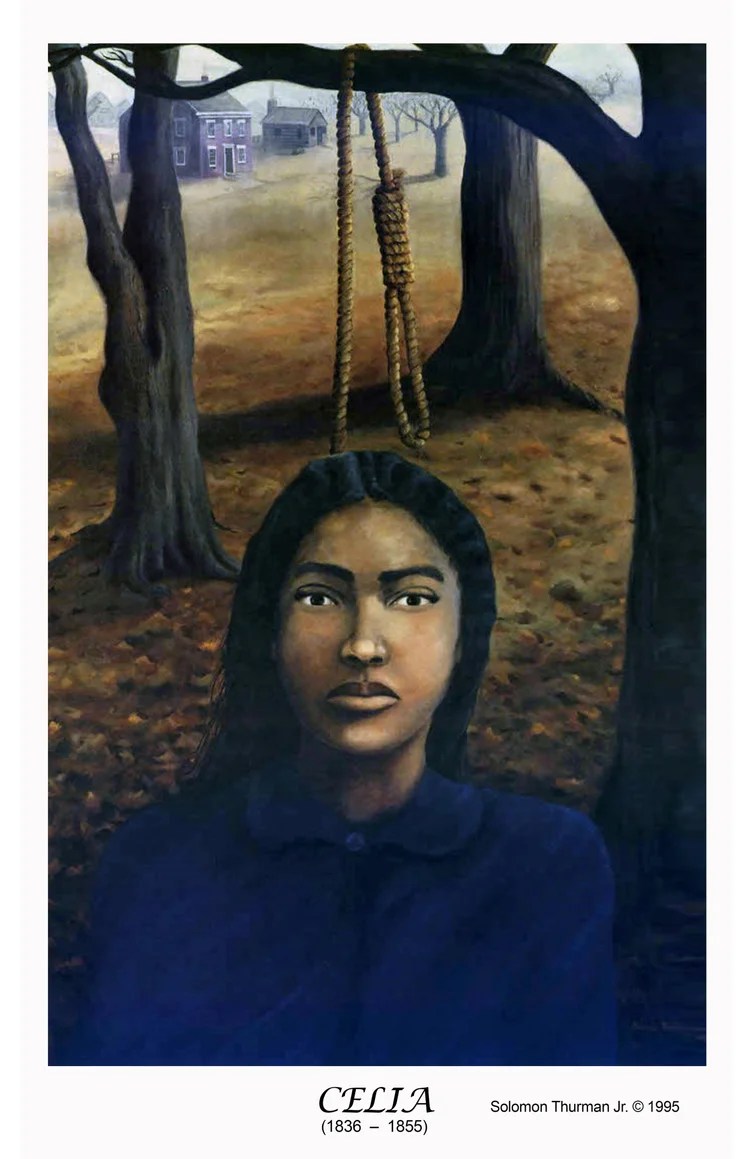
Born into slavery around 1846, Celia was sold in 1850 to Robert Newsom, a widowed Callaway County farmer. Celia bore Newsom two children. After five years of sexual assault from Newsom, Celia defended herself. Newsom died in the interaction. Celia was tried, found guilty and hung for murder.
Since last year, the Celia Newsom Legacy Foundation has been working towards recognition and justice for Celia. On a recent episode of ‘The Current’ on KOPN, Trevor Harris and Heather O’Connor aired an interview with the Foundation’s founding president Pamela Westbrooks Hodge and Fulton Human Rights Commissioner Tom Clapp. They talked about Celia’s legacy and an upcoming event commemorating her life and celebrating her recent pardon.
This interview originally aired on Columbia, Missouri community radio station KOPN 89.5fm on December 17, 2025.
According to the Prison Policy Initiative, there were 24,000 people incarcerated in Missouri state prisons in 2024 with another 12,000 people housed in local jails. These prisoners are paying for their crime with their time.
Whether they return to prison after release depends on a handful of factors. One of those factors for repeat violent crime is their presence of mind in the heat of the moment. How well-prepared are these (mostly) men to deal with the frustrations and challenges so ubiquitous on the outside? Once released, will these once-incarcerated fathers and mothers and sisters and brothers have the presence to turn to a non-violent solution when conflict arises?
The Alternatives to Violence Project concerns itself with preparing prisoners for life on the outside. In mid-Missouri Stephanie Brooks is the coordinator for the series of three-day workshops that happen regularly at the Boonville Correctional Center (BCC). Earlier this year, Steph was a guest on my radio show. After the show, I felt like the real impactful audio to gather and share with the listener would be the stories of the men who were participating in her local AVP workshops. To that end, I accompanied Steph Brooks to the Boonville Correctional Center in September 2025.
We recorded six of the camp’s residents that day. I asked them to tell me their life story in 15 or so minutes. Steph asked a few general questions for the group. Those answers are sometimes included in the final edit that I came up with.
These life stories were important for the men to tell. They are an audio letter home to their families and friends and a statement to the world about the work they are doing to transform themselves. The change they are creating is thanks to their participation in AVP and other prison programs that help to prepare them for life after incarceration at Boonville.
When we met, I never asked what specifically put them in prison. I did not take their pictures nor do I know their last names as per DOC policy. I am e-mailing the final edits of each man’s story to his stated next-of-kin. The BCC staff plan on airing the recordings to the rest of the population.
While we must condemn the crimes that put these men in prison, we also need to spend time hearing their stories. Once they are free, they will come home to communities all across Missouri. How ready we are to receive them depends on their choices and how willing we are to listen to and try to understand each man’s unique path as he works toward a successful re-entry.
These life stories originally aired on community radio in Columbia, KOPN 89.5fm.
Thanks to the men of the Boonville Correctional Center for sharing their stories, to Alternatives to Violence Program mid-Missouri coordinator Stephanie Brooks for taking me there and to my radio co-host Heather O’Connor for embracing it all.
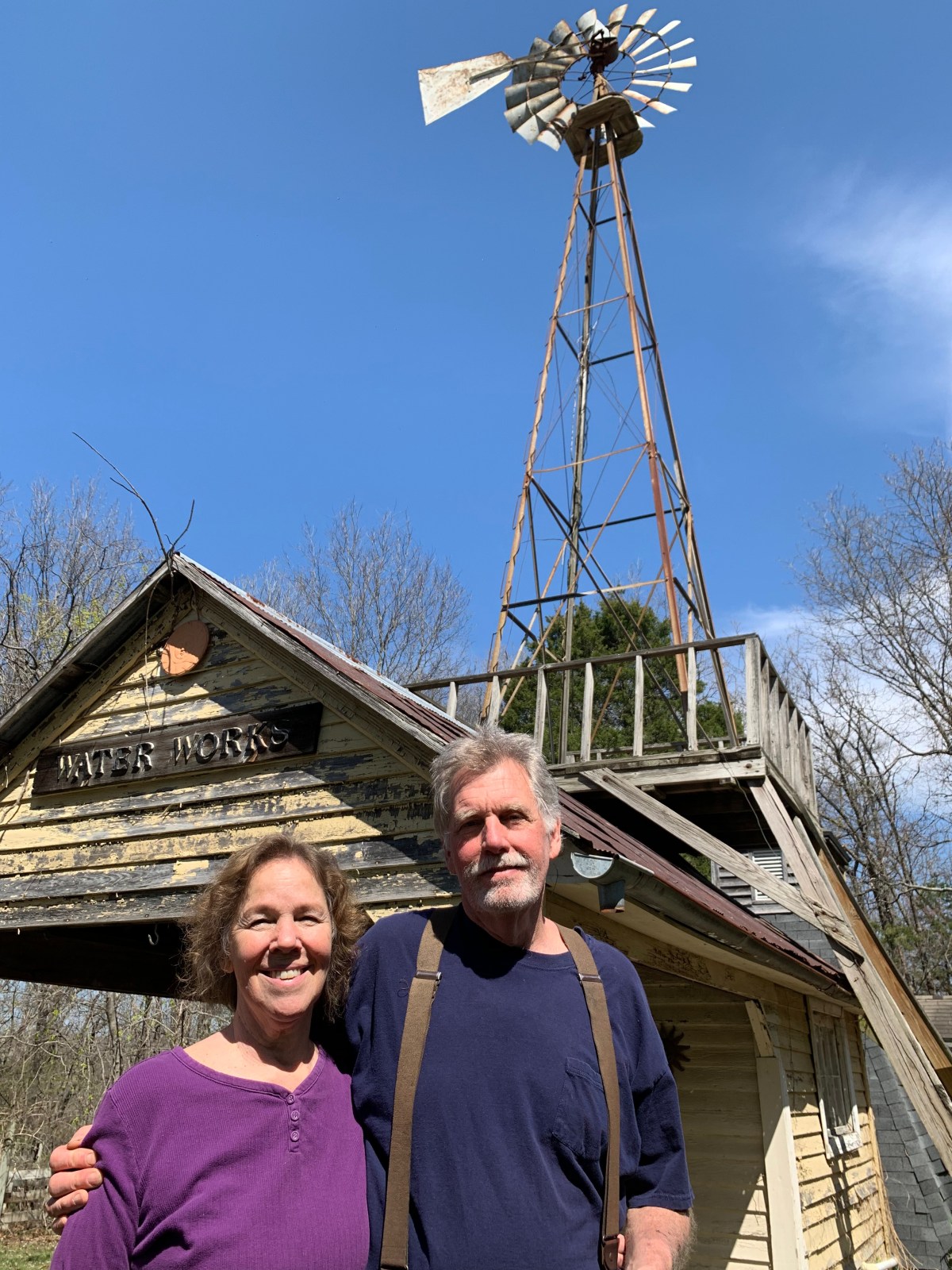
In 1976, Barbara and Tom Johnson moved from California to Missouri. In the past nearly 50 years, they built a home and had a family. As the Johnson kids grew up they realized there really was something to this homesteading thing.
This episode of the Mo’ Curious podcast happens in two-parts. This first half of the story explores Missouri’s recent history with those back-to-the-landers who raised kids while making a living off the land. In the second part of this episode, we’ll meet some other Missouri back-to-the-landers who created community with like-minded souls.
Past episodes of the Mo’ Curious podcast are available at www.MoCurious.com and wherever you get your podcasts.
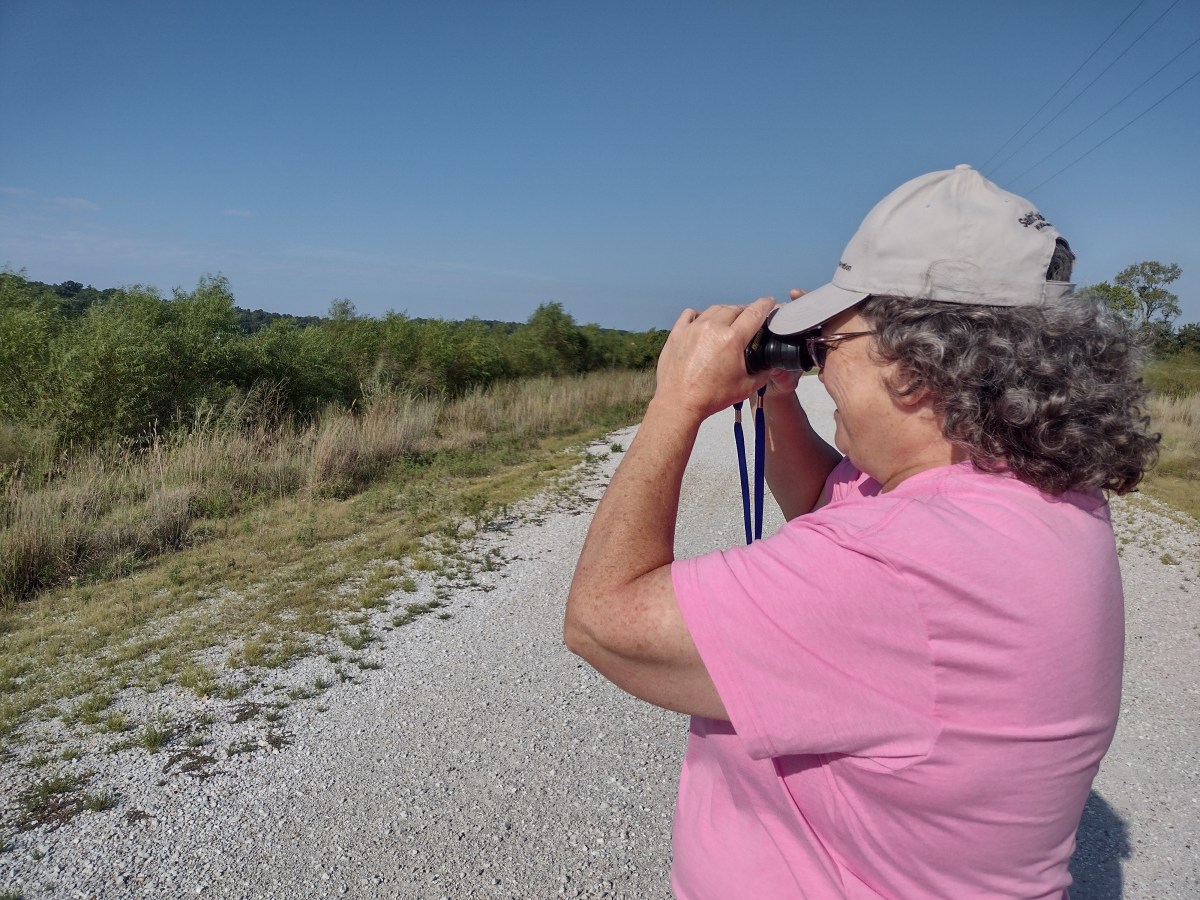
Missouri Master Naturalist Lisa Morin gazes across the Cardinal Valley Restoration Project in search of birds who call the nearly 1,000 acre site home.
For 100 years, the minerals lead and zinc were extracted from the ground in the Tri-State District. This area in Southwest Missouri, Southeast Kansas and Northwest Oklahoma initially produced wealth for small-scale operators. With time, mines consolidated then ceased operations. The final local mining operation in Webb City, Missouri closed up shop in 1957. The community was left with no more mine jobs and vast swaths of the area’s land covered in piles of mine waste, or chat.
In this episode of Mo’ Curious, you’ll meet some people who are using compost and native plantings to build soil. In the process, these Missourians are creating habitat attractive to humans, birds and other living things.
For more information on the Tri-State mining district, check out the dated, but instructive Wilderness Bonanza: The Tri-State District of Missouri, Kansas and Oklahoma.
For more information about ongoing restoration work on formerly mined lands in the Spring Creek watershed, see the Missouri Department of Natural Resource’s project list here.
Finally, progress on Meredith Ludwig’s Cardinal Valley documentary can be found here.
Thanks for listening. Stay curious, Missouri.
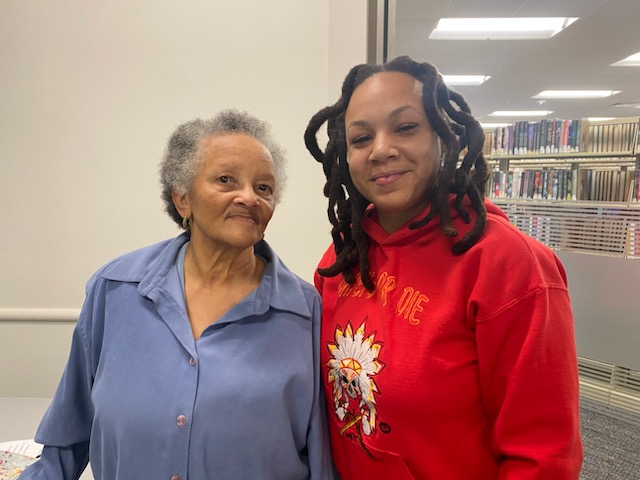
Lucille H. Douglass (at left) and Oralee McKinzy at the Parkville, Missouri Public Library in March 2023
Missouri history happened here. Right here. On this same ground on which we live today. That includes the history of slavery and racial segregation. When we tell the story of our state’s history, often the narrative is that of white and male Missourians. The family and personal stories of women and people of color are too often neglected when the narrative is told about the making of Missouri.
In this episode of Mo’ Curious meet two Kansas City women who are teaching themselves and others about local black history, which is, of course, Missouri history.
This episode’s guests are Oralee McKinzy who traces her family back to enslaved Missourians in Platte County, Missouri, and Lucille Douglass who recalls attending Parkville’s Missouri’s segregated black school as a girl in the 1950s.
As heard in this episode of the podcast:
Agriculture and Slavery in Missouri’s Little Dixie by R. Douglas Hurt
On Slavery’s Border by Diane Mutti Burke
Banneker School Foundation and Historic Site
Life 360 on Facebook
Thanks for listening to Mo’ Curious. Stay curious, Missouri.
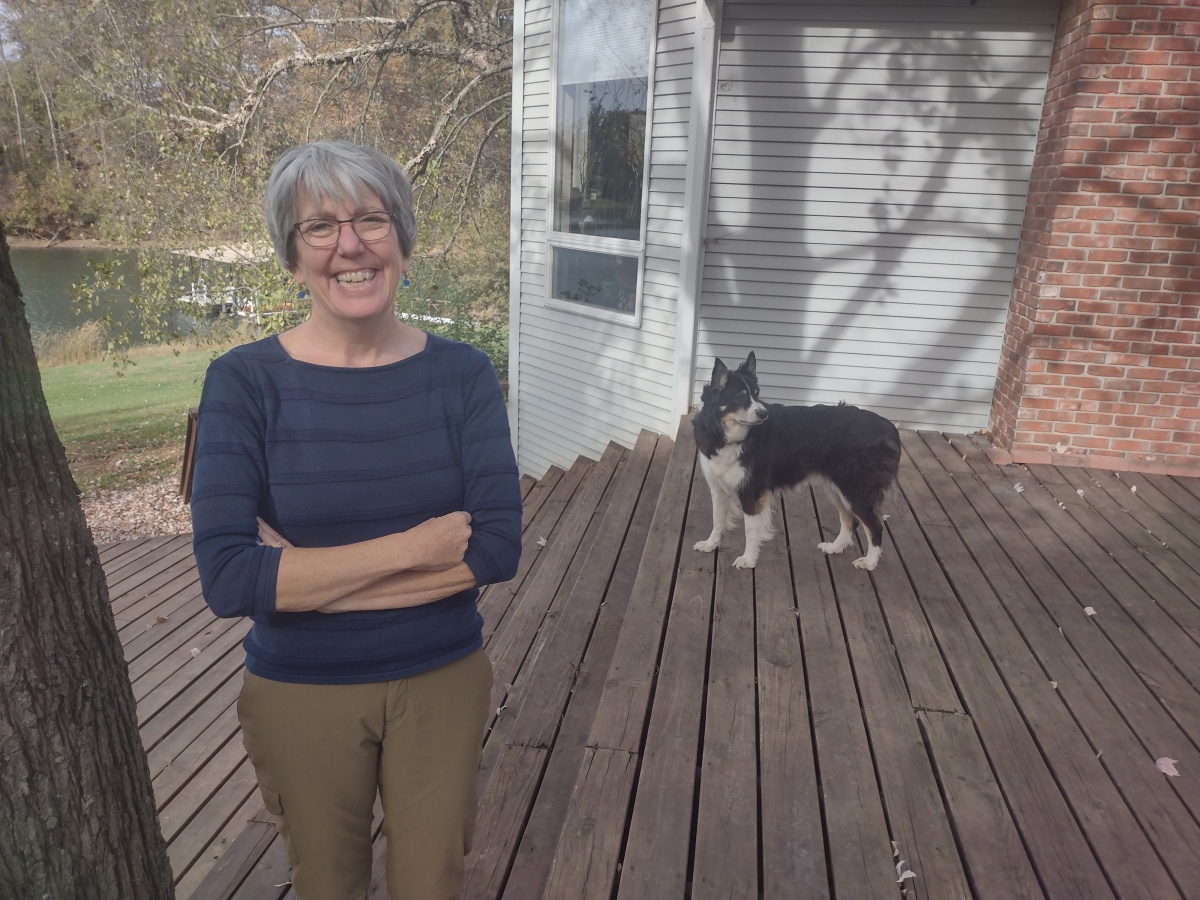
Looking up at the night skies in late fall and winter requires a special devotion. One needs tenacity – plus coat and gloves at the ready – to leave the warmth of inside and go find a dark place outside. It is there that you can best (re)discover the stars and planets that have dotted our skies since before time began.
In this Field Notes segment, astronomy educator Melanie Knocke – pronounced kuh-KNOW-kee – discusses how our winter sky viewing in the United States differs from summer observing. She also shares her simple remedy for preserving the night dark skies that are required for successful stargazing.
For ongoing night sky education, EarthSky news provides “updates on your cosmos and your world.” I find it to be a useful regular e-mail in my inbox.
Thanks to Melanie Knocke for the interview. And until next time, remember, your neighbors are more interesting than you think.

Center for Bosnian Studies Director Dr. Adna Karemhic-Oates at Fontbonne University in February 2023
“We might not have the ocean, but we’ve got plenty.”
St. Louis-based Bosnian refugee Elvir Kulovic on Missouri’s charms
Despite a great cultural disruption and numerous personal traumas, Bosnians living in St. Louis seem to be thriving.
For this podcast episode, I talked to three Bosnians living in the Gateway City about their experiences. Two are refugees and one is an academic. Their diverse perspectives offer an insight into what it means to be Bosnian in America circa 2023.
Thanks for listening to Mo’ Curious, a podcast about the history of our 24th state.
Over 60,000 Bosnian refugees and their children live in St. Louis area. They have a significant influence on the region’s economy, religious life and culture.
In this episode of the Mo’ Curious podcast we meet four Bosnians making sense of their past and mapping out their future as members of two cultures: Bosnian and American.
Music in this episode was from the Bosnian-St. Louis band, Albosy. Here’s a fuller dose of the band:
More episodes of the podcast are available at MoCurious.com.
Thanks for listening and stay curious, Missouri.
 The Recollection Agency