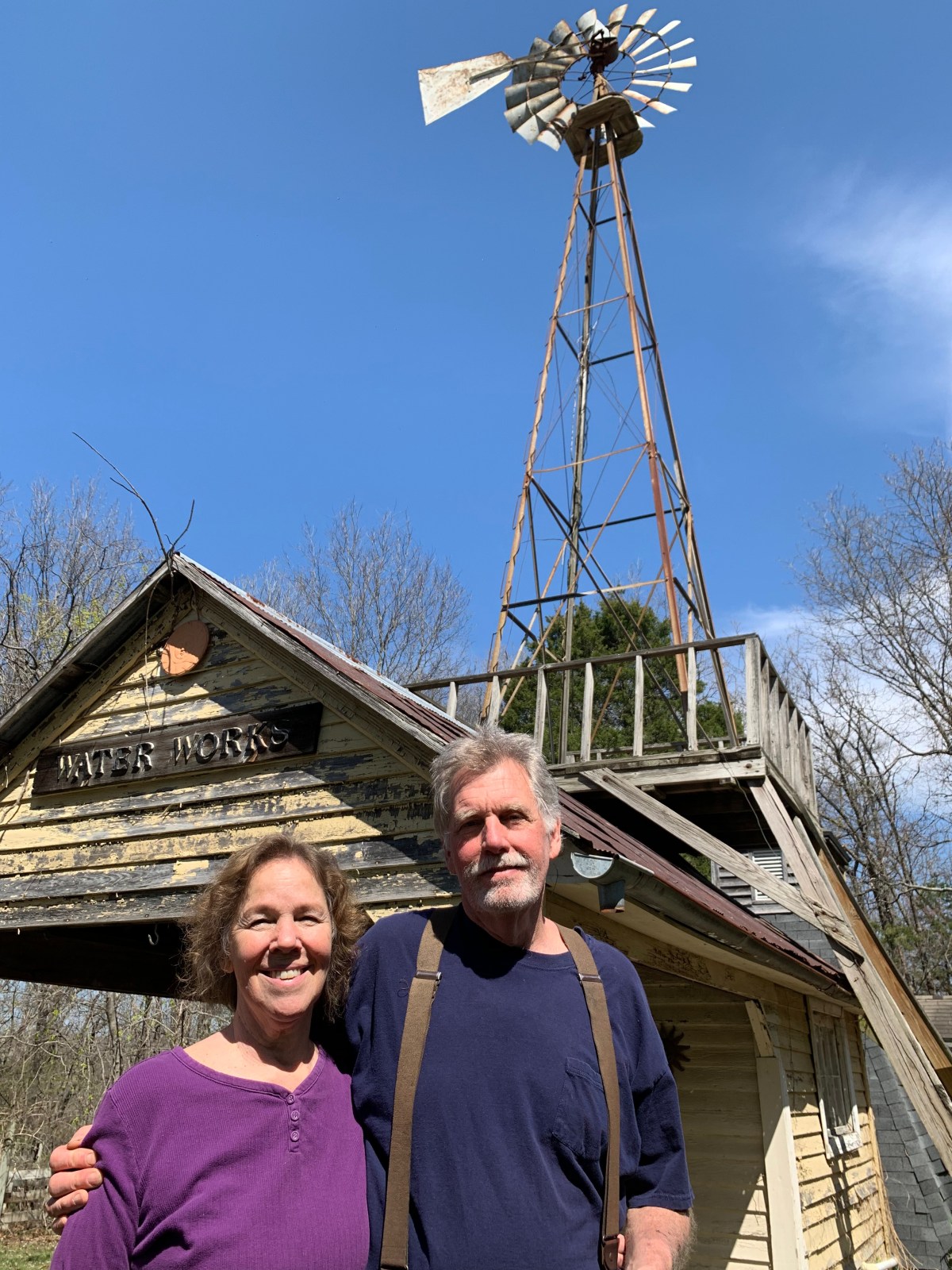
Barbara and Tom Johnson have been homesteading the Ozark hills of Dent County for nearly 50 years
In 1976, Barbara and Tom Johnson moved from California to Missouri. In the past nearly 50 years, they built a home and had a family. As the Johnson kids grew up they realized there really was something to this homesteading thing.
This episode of the Mo’ Curious podcast happens in two-parts. This first half of the story explores Missouri’s recent history with those back-to-the-landers who raised kids while making a living off the land. In the second part of this episode, we’ll meet some other Missouri back-to-the-landers who created community with like-minded souls.
Past episodes of the Mo’ Curious podcast are available at www.MoCurious.com and wherever you get your podcasts.
Pageturner attendees toured a tobacco barn near Weston, Mo. Credit Jim Pascoe
In Autumn 2024, The New Territory regional magazine put on an event called ‘Hearing Place’. That day of sound brought together academics, the audio obsessed, journalists and friends of the publication.
Held in Weston, Missouri, the event was recorded and produced into a podcast. Here is the audio postcard we created from sounds heard at the day-long exploration called ‘Hearing Place’.
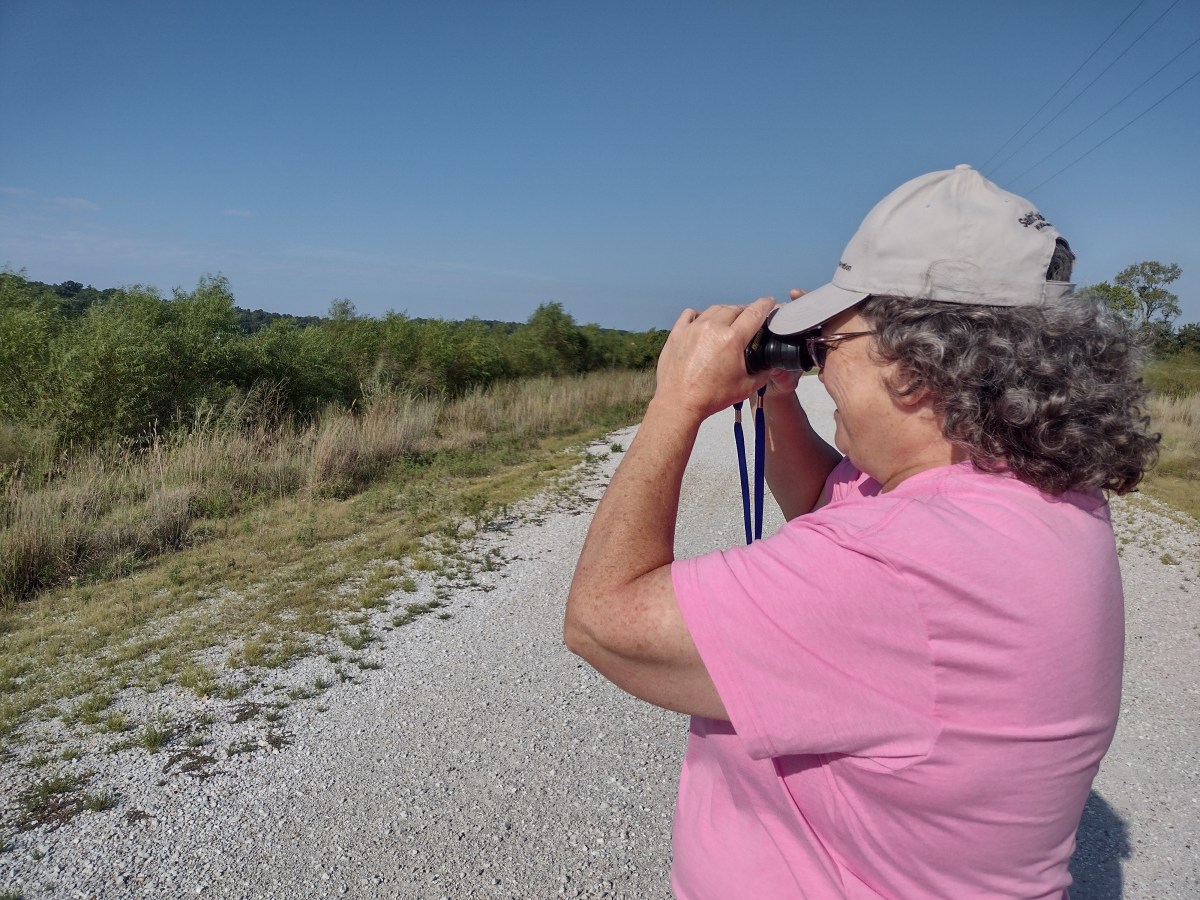
Missouri Master Naturalist Lisa Morin gazes across the Cardinal Valley Restoration Project in search of birds who call the nearly 1,000 acre site home.
For 100 years, the minerals lead and zinc were extracted from the ground in the Tri-State District. This area in Southwest Missouri, Southeast Kansas and Northwest Oklahoma initially produced wealth for small-scale operators. With time, mines consolidated then ceased operations. The final local mining operation in Webb City, Missouri closed up shop in 1957. The community was left with no more mine jobs and vast swaths of the area’s land covered in piles of mine waste, or chat.
In this episode of Mo’ Curious, you’ll meet some people who are using compost and native plantings to build soil. In the process, these Missourians are creating habitat attractive to humans, birds and other living things.
For more information about ongoing restoration work on formerly mined lands in the Spring Creek watershed, see the Missouri Department of Natural Resource’s project list here.
Finally, progress on Meredith Ludwig’s Cardinal Valley documentary can be found here.
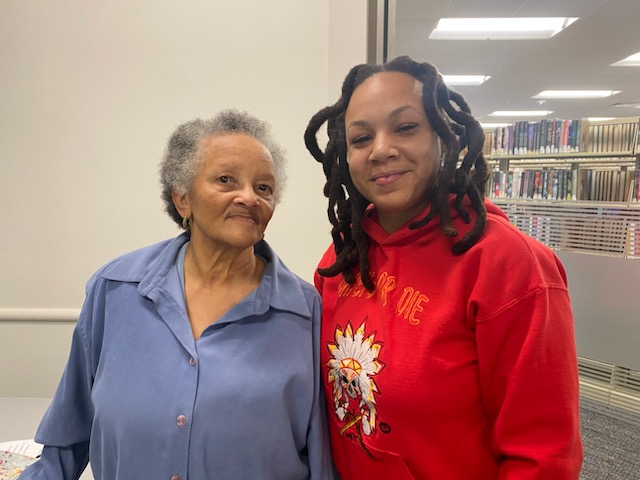
Lucille H. Douglass (at left) and Oralee McKinzy at the Parkville, Missouri Public Library in March 2023
Missouri history happened here. Right here. On this same ground on which we live today. That includes the history of slavery and racial segregation. When we tell the story of our state’s history, often the narrative is that of white and male Missourians. The family and personal stories of women and people of color are too often neglected when the narrative is told about the making of Missouri.
In this episode of Mo’ Curious meet two Kansas City women who are teaching themselves and others about local black history, which is, of course, Missouri history.
This episode’s guests are Oralee McKinzy who traces her family back to enslaved Missourians in Platte County, Missouri, and Lucille Douglass who recalls attending Parkville’s Missouri’s segregated black school as a girl in the 1950s.
In 1973, the Doobie, Allman and Isley Brothers all had popular records. Richard Nixon started his second term as America’s president. Also that year, a community radio station in Columbia, Missouri got a license to broadcast at 89.5fm.
In 2022 and 2023 – in the run-up to the 50th anniversary of KOPN, I organized current station volunteers to conduct oral histories with former and long-time station staff and programmers. These full oral histories live here.
For 13 weeks in early 2023, I hosted a live radio show on KOPN that drew from these oral histories, mined the station’s deep and wide archives and queried a live, in-studio guest about the week’s theme. I called the show KOPN: The First 50 Years. That’s a lot of work to put in to a one-hour show, so the shows live on as a predictably title podcast KOPN: The First 50 Years.
My goal with this podcast (and the KOPN Oral History Project broadly) is to preserve the story of our community radio station and give the listener (that’s you!) an idea of what it was like in the early, heady years after KOPN’s 1973 founding.
Episode 9 features excerpts from a 2022 oral history with long-time KOPN programmer Carol Goodnick. Also, featured on the podcast is an in-studio interview with current KOPN programmer and University of Missouri Journalism School student Tadeo Ruiz and music from the KOPN archives. It sounds like the former Columbia band, Swoop…
Episode 8 explores how women have created their own space on KOPN over the past 50 years. The 59 minute episode includes an oral history excerpt from Vic Day’s April 2022 interview with Margie Sable, archival excerpts of Margie’s show, The Brazen Hussy and 1979 Women’s Weekend, and a live interview with station programmers Corri Flaker Fraser and Luna Hawk. Music on the episode is 1976 archival jazz from former St. Louis jazzers Jasmine and madrigrals from Lyn Wolz.
Episode 7 features KOPN archival selections from longtime KOPN volunteer and Columbia community activist Wynna Faye Elbert talking about Columbia’s Black history. Bringing things into the present, the episode also includes a selection from Trevor Harris’ March 2023 interview with Worley Street Roundtable team members Verna Laboy and David Aguayo. The podcast concludes with a second excerpt from the KOPN archives: a selection from Lynn Harris’ 1976 interview with Maya Angelou.
Episode 6 features an oral history with former KOPN program director, Butch Burrell and his son and former children’s programmer, Eli Burrell. The episode also features an interview with former KOPN children’s radio producer, Christine Gardener and music from KOPN-adjacent artists Rhonda Vincent and Taj Mahal.
Episode 5 features oral history form lee Ruth plus poetry from the Chez Coffeehouse and archival recordings from Lee Ruth and Cathy Barton.
Episode 4 is about the ways the folk music found a radio home at KOPN.
Episode 3 features an interview with area fiddler and author Howard Marshall and KOPN programmer Margot McMillan, archival material from the Boone County Fair Fiddle Contest, Dear KOPN letters and more.
Episode 2 features an oral history with former KOPN children’s programmer Christine Gardener and current programmer Jackie Casteel, archival material from Inside Radio featuring Eli Burrell and Brother Blue plus live in-studio guests, including Ann Mehr, Sarah Catlin and Dante Dupuy.
Episode 1 looks at KOPN’s history with prison issues and features oral histories with James Robnett and Jim Austin, an archival feature about Renz Women’s Prison and guests Peggy Placier and December Harmon.
Madelyn Paine remembers getting weighed at the Dalton elevator. Diane Pippens feels her light skin helped her pass for white or Mexican when she integrated her town’s high school. William Payne recalls the town’s annual reunion where he met his future wife.
It was at Dalton, Missouri’s annual reunion in 2021 that I did my first interview for this episode of the Mo’ Curious Podcast. Throughout that summer and ending on Labor Day of the same year, my collaborator Jennifer Thornburg and I conducted six oral histories with alumni from the former Dalton Vocational School in Chariton County.
Here’s one story of the students who attended Chariton County, Missouri’s segregated Dalton Vocational School.
Dalton, now listed as a village by the U.S. Census Bureau, had an official population of seventeen in 2020. Nathanial Bruce started the school for blacks in Dalton in 1907. Between 1907 and 1956, Bartlett Agricultural and Mechanical School (later Dalton Vocational School) graduated young men with skills in farming and machinery. Young women learned how to type and cook in preparation for future work in offices and as house-keepers.
In 1954, the U.S. Supreme Court declared that separate-but-equal facilities like schools were unconstitutional. This led to the closure of the school perched on the hillside in Dalton. After the 1956 school year, active Dalton students attended now-integrated schools in their hometowns.
Now seemed like a great time to gather memories of Dalton Vocational School from the shrinking pool of aging alumni. This podcast tells the story of Dalton Vocational School—Missouri’s “Little Tuskegee”—in the former students’ own words.
Videos of these oral histories are planned for a future online and in-person display of Black education at Salisbury, Missouri’s Chariton County Historical Society Museum.
If you are interested in hearing more stories from Missouri’s school integration era, check out the recent Recollection Agency video of integration memories from Charleston, Missouri and the Mo’ Curious episodes centered on that Missouri Bootheel community.
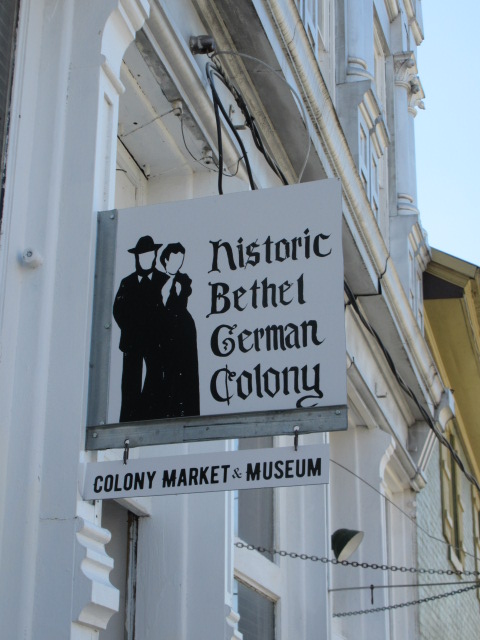
Almost as long as there has been a Missouri, there have been idealists in our midst. In 1844, “Doctor” Wilhelm Keil and his followers established the German Communal Society of Bethel in Northeast Missouri. They were followed by an Icarian outpost in 1858 near St. Louis.
In this episode of Mo’ Curious, you’ll learn about these settlements, what inspired them and how the lineage of radical rural cooperation continues into the 21st century.
This is the first part of a two-part episode on utopias and communes in Missouri. Here is part II.
This episode of Mo’ Curious is generously sponsored by Missouri Life.
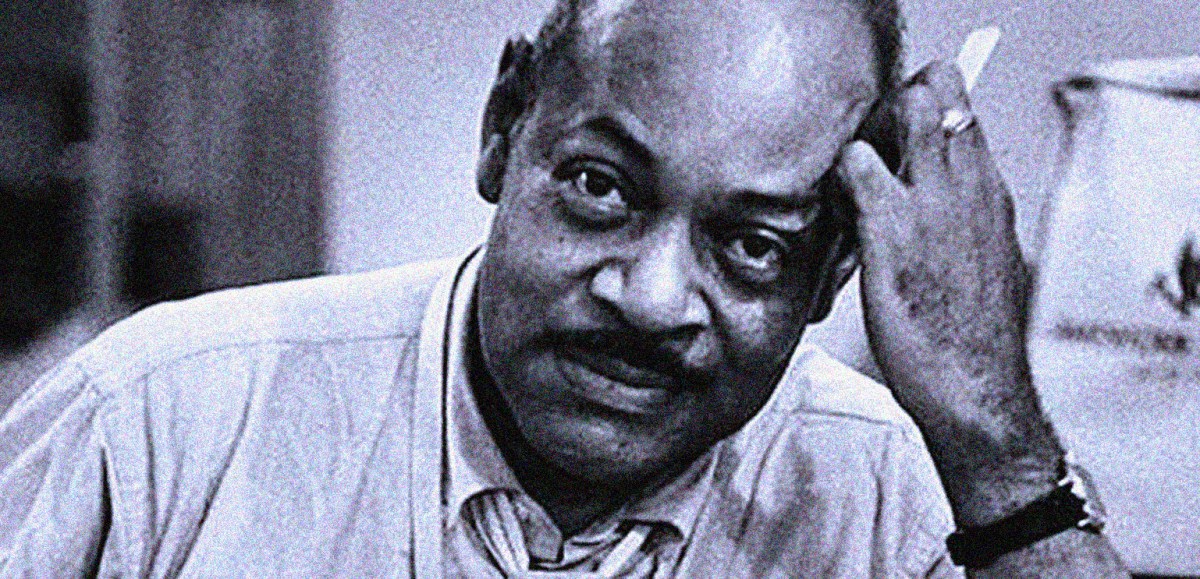
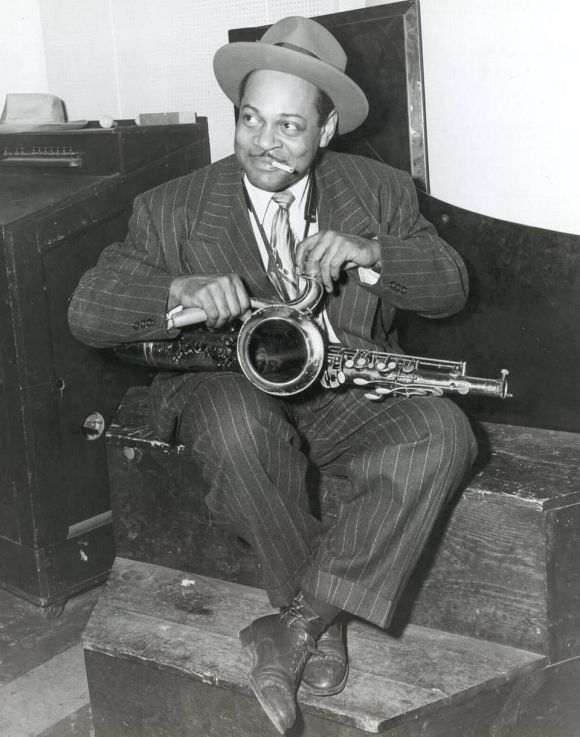
During a career that lasted over five decades, tenor saxophonist Coleman Hawkins travelled the world. Born in St. Joseph, Missouri in 1904, the talented young man attended music school in Kansas. He left Missouri for good in 1921 to seek his fortune and fame.
Coleman Hawkins
Bean, as he was nicknamed, lived much of his adult life in Europe and New York. He died in New York in 1969.
This episode of Mo’ Curious explains the St. Joseph of Hawkins’ youth. Drawing on the oral histories of a community leader, an activist and a pair of scholars, this episode explores how racism locally and opportunity elsewhere led Hawkins away from his native Missouri.
Mo’ Curious is an occasional podcast about the history of our 24th state. Thanks for listening. Be sure to tell your friends and your grandma about Mo’ Curious. (They may even think you are cool for knowing about this here Missouri history podcast.)
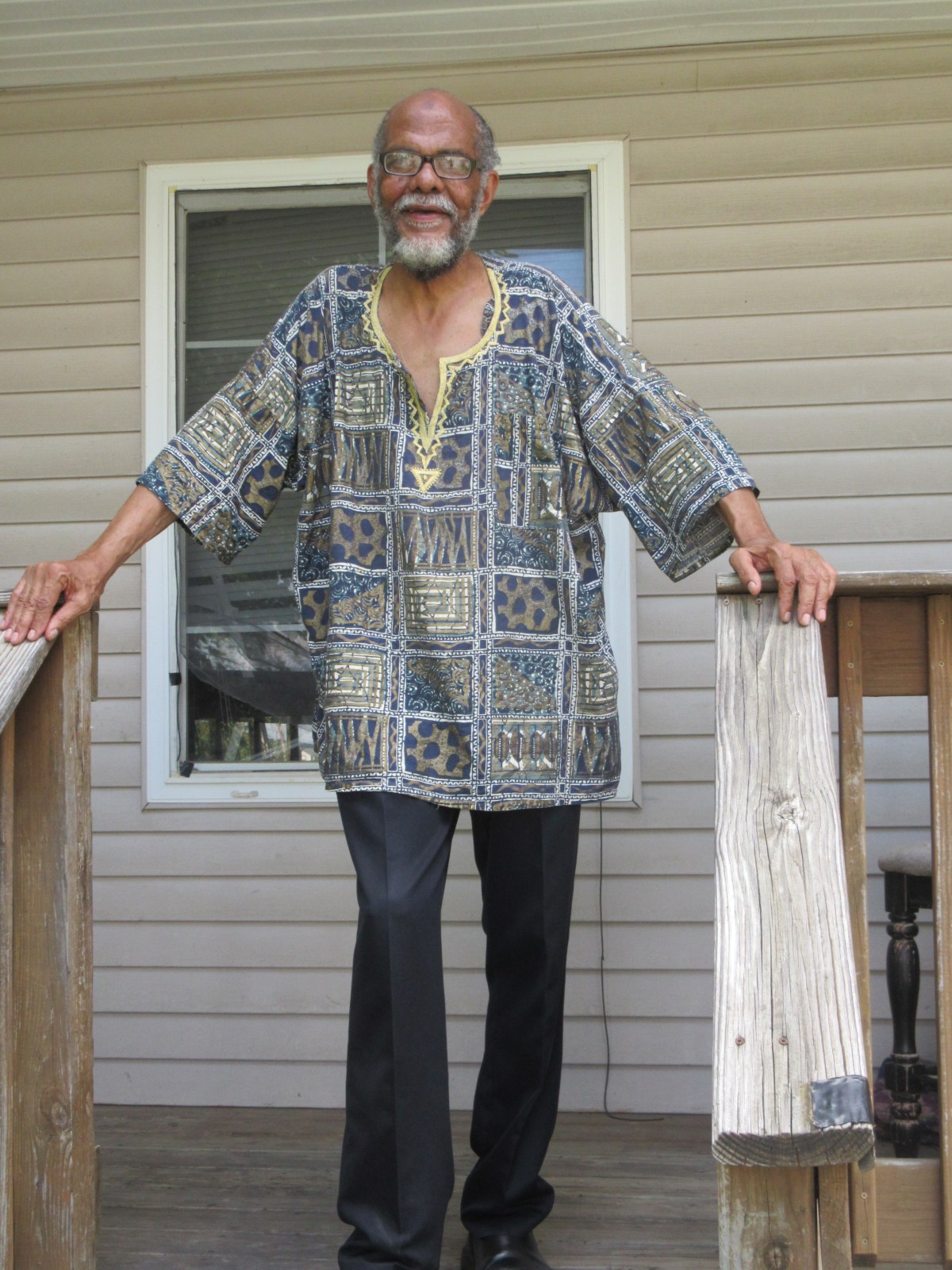
Growing up in St. Joseph, Ramadhan Washington spent a lot of time at a local Church of God In Christ. Incarcerated as a young man in the Buchanan County, Missouri jail, he met fellow prisoners imported from Kansas City who were practicing Muslims. Over fifty years after his conversion to Islam, Washington is an elder of the Islamic Center of St. Joseph. On a recent balmy summer afternoon, Washington detailed his conversion from the front porch steps of the home he shares with his wife.
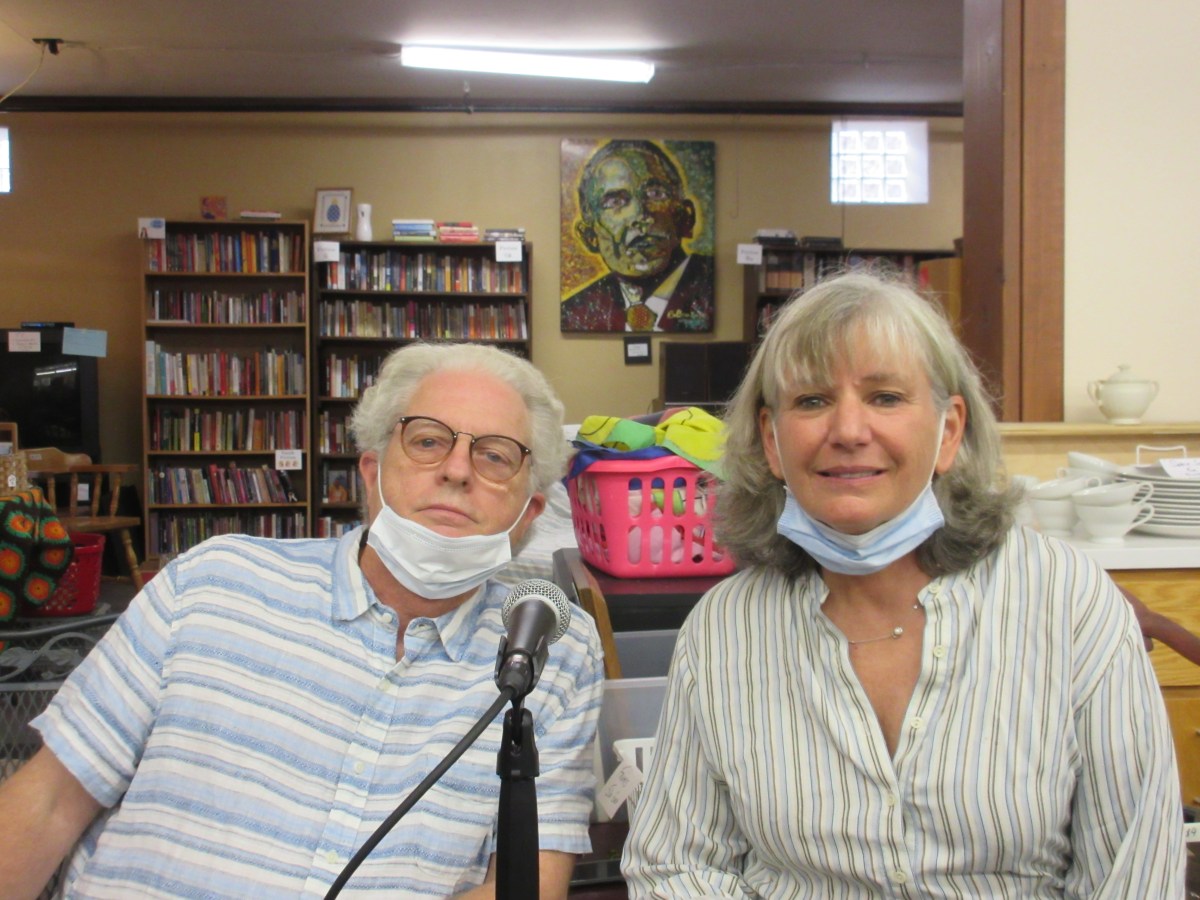
Chuck and Toni Wurth operate the Troost 39 Thrift Store in Kansas City, Missouri.
For 20 years, the Troost 39 Thrift Store has provided low-cost clothes, dishes, books and the occasional guillotine to shoppers. When the building was up for sale three years ago, Chuck and Toni Wurth bought it. Today, the couple maintains the space as thrift store with a mission.
Field Notes is an occasional series from the Recollection Agency. Contact us to learn more about the process of preserving your memories and creating shareable content.




 The Recollection Agency