This weekend, the True/False Film Festival returns to Columbia. Heather O’Connor and Trevor Harris interviewed three members of the fest team with a look ahead to some of the films and concerts happening this weekend.
 The Recollection Agency
This weekend, the True/False Film Festival returns to Columbia. Heather O’Connor and Trevor Harris interviewed three members of the fest team with a look ahead to some of the films and concerts happening this weekend.
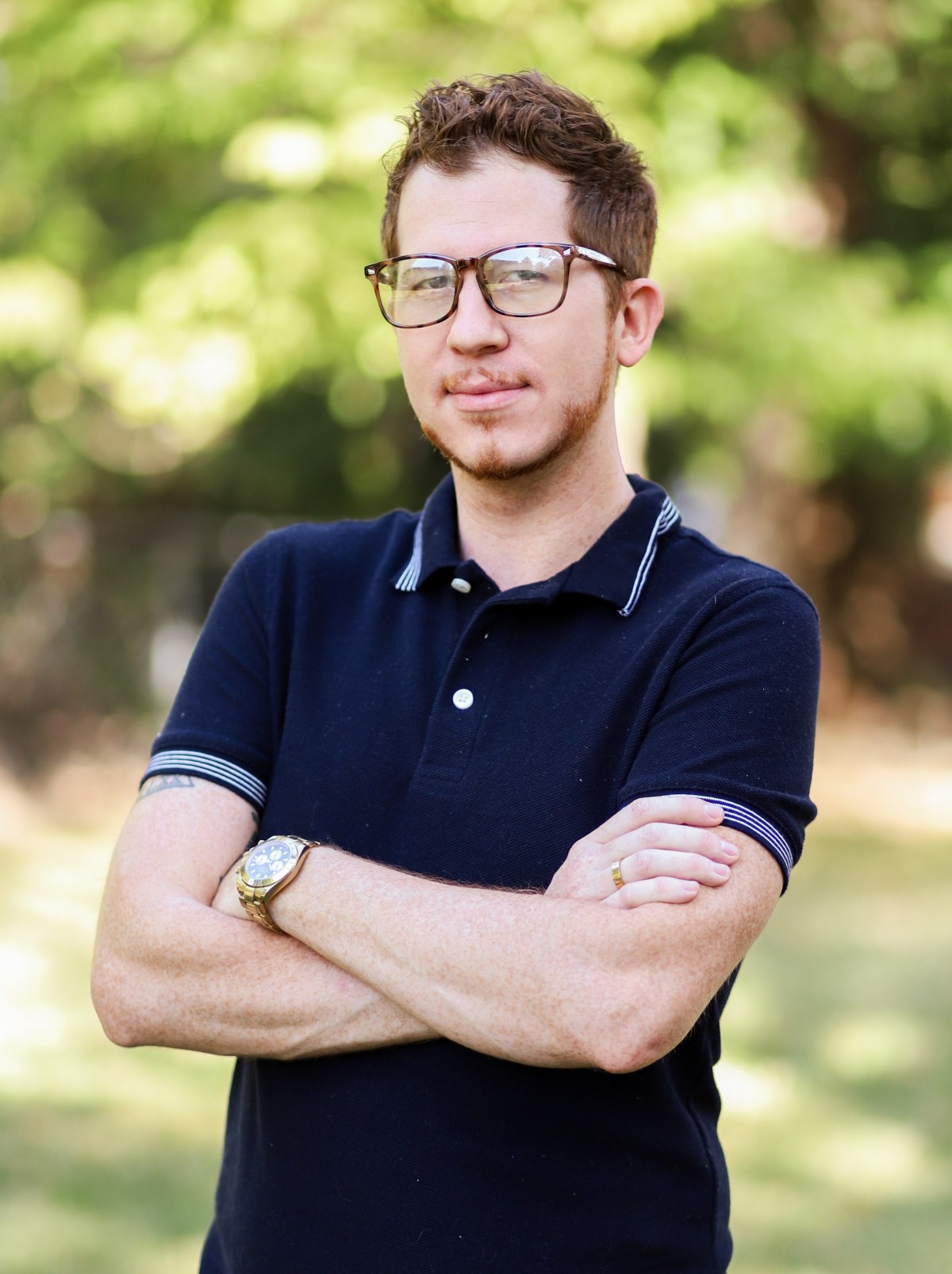
Our communications are what we say and what we don’t say. Some people say what they want, when they want. Others monitor what you say in order to seem more like members of the dominant group. Communications scholar Dr. Mick Brewer talked with Trevor Harris in advance of a lecture Brewer gave on how we adjust what we say and who we represent based on the setting.
This segment originally aired on February 4, 2026 on 89.5fm KOPN, Columbia, Missouri’s community radio station.
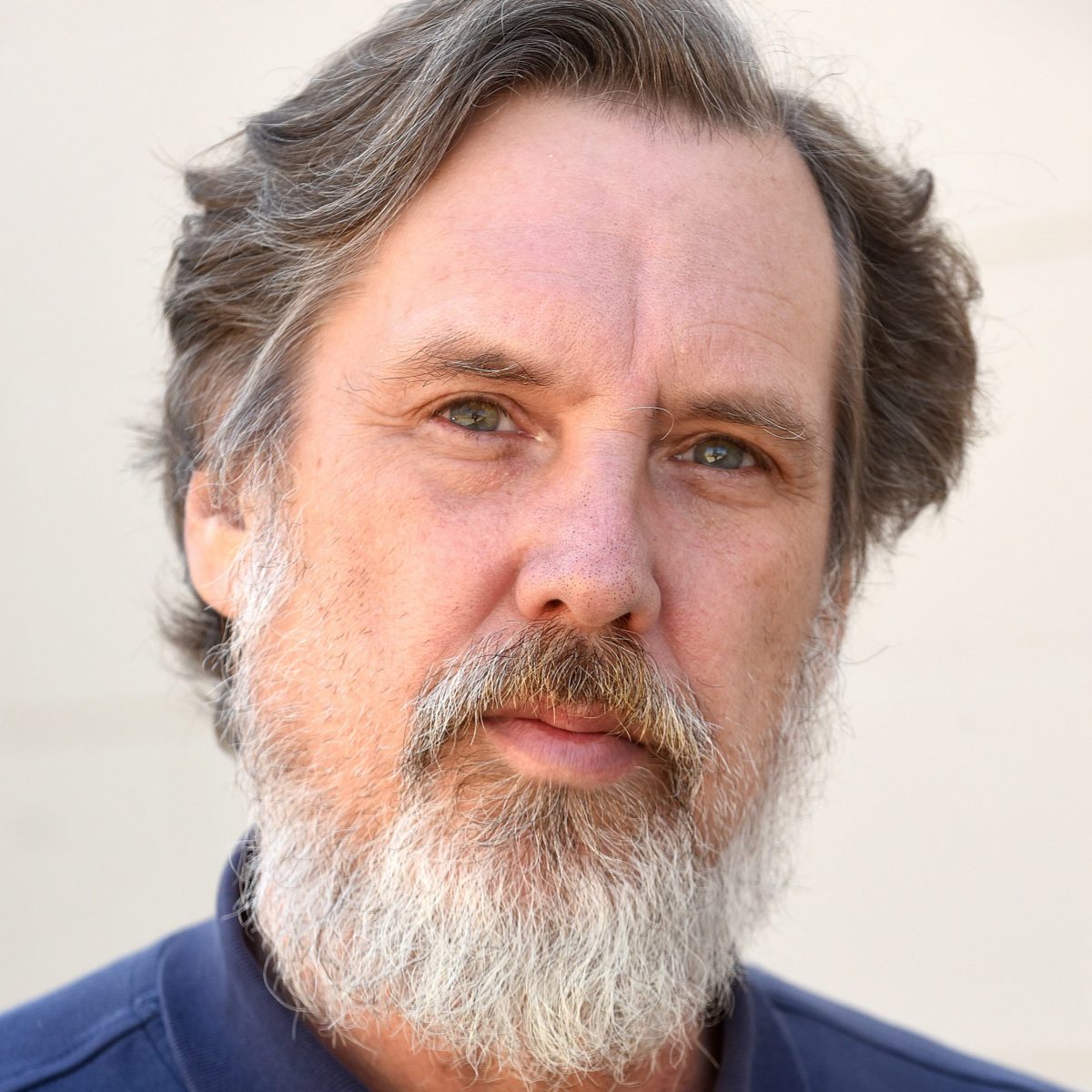
Among the major issues that the Missouri General Assembly is considering during its 103rd session is a proposal to eliminate the state’s income tax. Trevor Harris visited with The Missouri Independent‘s Deputy Editor Rudi Keller about the what such a move could mean for those who work and shop in Missouri.
This segment originally aired on KOPN, Columbia, Missouri’s community radio station on Weds., January 28, 2026.

After decades on the air, St. Louis community radio station KDHX went off the air last year. A group of station alumni and new volunteers have formed a new non-profit to continue creating radio of and from their place.
LOVE of Community Radio members Jean Ponzi and Rich Reese joined Heather O’Connor and Trevor Harris for a discussion of the past, present and future of non-commercial radio in St. Louis.
This segment originally aired on KOPN 89.5fm on January 21, 2026.
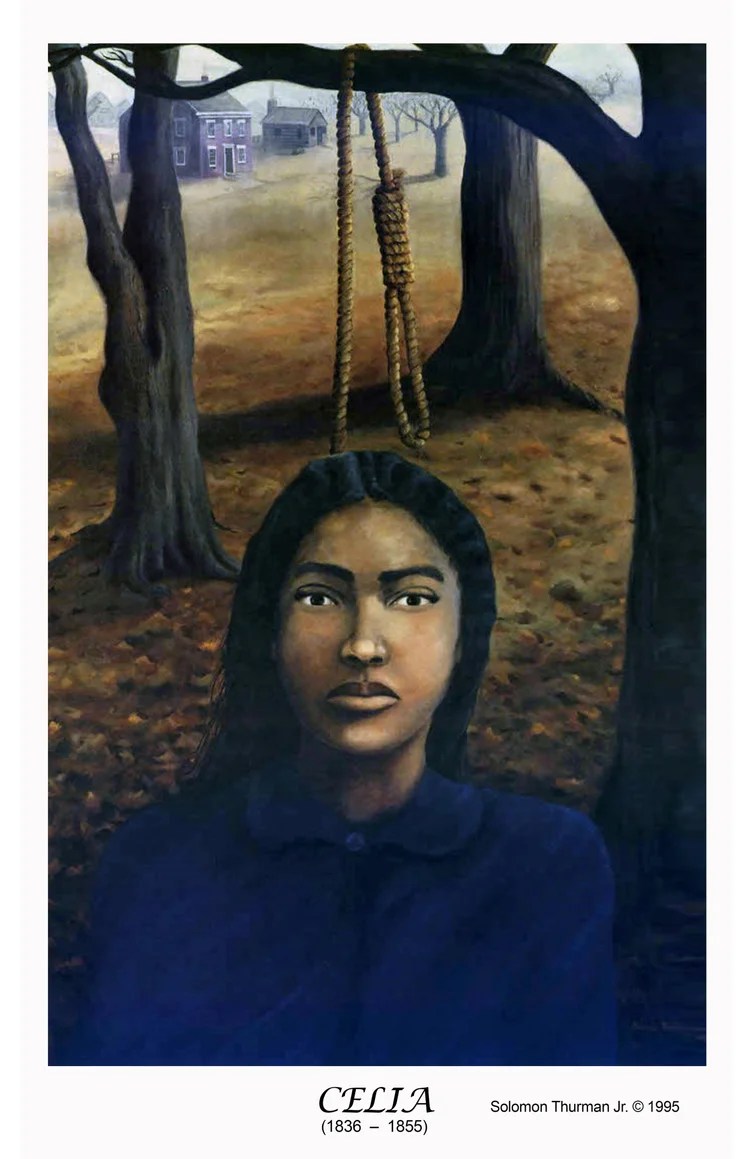
Born into slavery around 1846, Celia was sold in 1850 to Robert Newsom, a widowed Callaway County farmer. Celia bore Newsom two children. After five years of sexual assault from Newsom, Celia defended herself. Newsom died in the interaction. Celia was tried, found guilty and hung for murder.
Since last year, the Celia Newsom Legacy Foundation has been working towards recognition and justice for Celia. On a recent episode of ‘The Current’ on KOPN, Trevor Harris and Heather O’Connor aired an interview with the Foundation’s founding president Pamela Westbrooks Hodge and Fulton Human Rights Commissioner Tom Clapp. They talked about Celia’s legacy and an upcoming event commemorating her life and celebrating her recent pardon.
This interview originally aired on Columbia, Missouri community radio station KOPN 89.5fm on December 17, 2025.
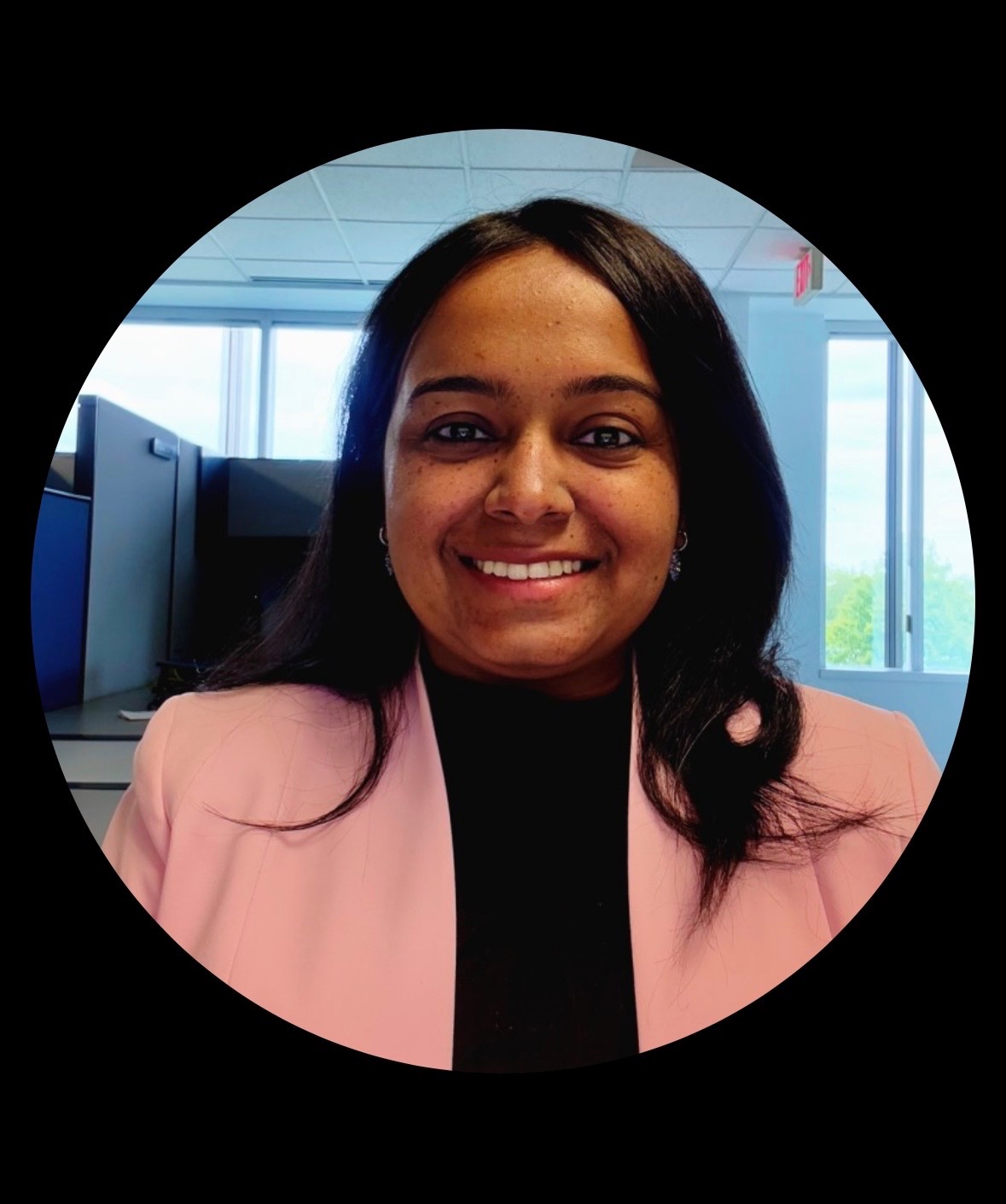
Artificial Intelligence (AI) seems to taking over our world. The myriad benefits of AI are often touted, but there are growing ethical and environmental concerns.
One face of the future of AI is that of Sai Nuguri. She is pursuing a PhD at the University of Missouri in the Department of Electrical Engineering and Computer Science. Her work uses virtual reality (VR) and AI in learning environments that benefit neuro-diverse students.
Trevor Harris and Heather O’Connor talked to Nuguri recently about her research and the future of VR and AI. This is an excerpt of that interview.
This interview originally aired on December 3, 2025 on KOPN 89.5fm.

Colin Bowles was a guest on KOPN recently. The Columbia, Missouri actor talked about the improv acting classes he is teaching at Columbia Entertainment Company. Colin demonstrated the improv method to great success with Heather O’Connor.
An improve student showcase happens on Thursday, December 11 at Columbia Entertainment Company.
Here’s more information about Colin Bowles’ improv classes.
This segment originally aired on KOPN, Columbia 89.5fm on Wednesday, November 19.
According to the Prison Policy Initiative, there were 24,000 people incarcerated in Missouri state prisons in 2024 with another 12,000 people housed in local jails. These prisoners are paying for their crime with their time.
Whether they return to prison after release depends on a handful of factors. One of those factors for repeat violent crime is their presence of mind in the heat of the moment. How well-prepared are these (mostly) men to deal with the frustrations and challenges so ubiquitous on the outside? Once released, will these once-incarcerated fathers and mothers and sisters and brothers have the presence to turn to a non-violent solution when conflict arises?
The Alternatives to Violence Project concerns itself with preparing prisoners for life on the outside. In mid-Missouri Stephanie Brooks is the coordinator for the series of three-day workshops that happen regularly at the Boonville Correctional Center (BCC). Earlier this year, Steph was a guest on my radio show. After the show, I felt like the real impactful audio to gather and share with the listener would be the stories of the men who were participating in her local AVP workshops. To that end, I accompanied Steph Brooks to the Boonville Correctional Center in September 2025.
We recorded six of the camp’s residents that day. I asked them to tell me their life story in 15 or so minutes. Steph asked a few general questions for the group. Those answers are sometimes included in the final edit that I came up with.
These life stories were important for the men to tell. They are an audio letter home to their families and friends and a statement to the world about the work they are doing to transform themselves. The change they are creating is thanks to their participation in AVP and other prison programs that help to prepare them for life after incarceration at Boonville.
When we met, I never asked what specifically put them in prison. I did not take their pictures nor do I know their last names as per DOC policy. I am e-mailing the final edits of each man’s story to his stated next-of-kin. The BCC staff plan on airing the recordings to the rest of the population.
While we must condemn the crimes that put these men in prison, we also need to spend time hearing their stories. Once they are free, they will come home to communities all across Missouri. How ready we are to receive them depends on their choices and how willing we are to listen to and try to understand each man’s unique path as he works toward a successful re-entry.
These life stories originally aired on community radio in Columbia, KOPN 89.5fm.
Thanks to the men of the Boonville Correctional Center for sharing their stories, to Alternatives to Violence Program mid-Missouri coordinator Stephanie Brooks for taking me there and to my radio co-host Heather O’Connor for embracing it all.

In Autumn 2024, The New Territory regional magazine put on an event called ‘Hearing Place’. That day of sound brought together academics, the audio obsessed, journalists and friends of the publication.
Held in Weston, Missouri, the event was recorded and produced into a podcast. Here is the audio postcard we created from sounds heard at the day-long exploration called ‘Hearing Place’.
Thanks to Kiana Fernandes, Tina Cassagrand Foss and Janet Saidi for their assistance with this podcast.
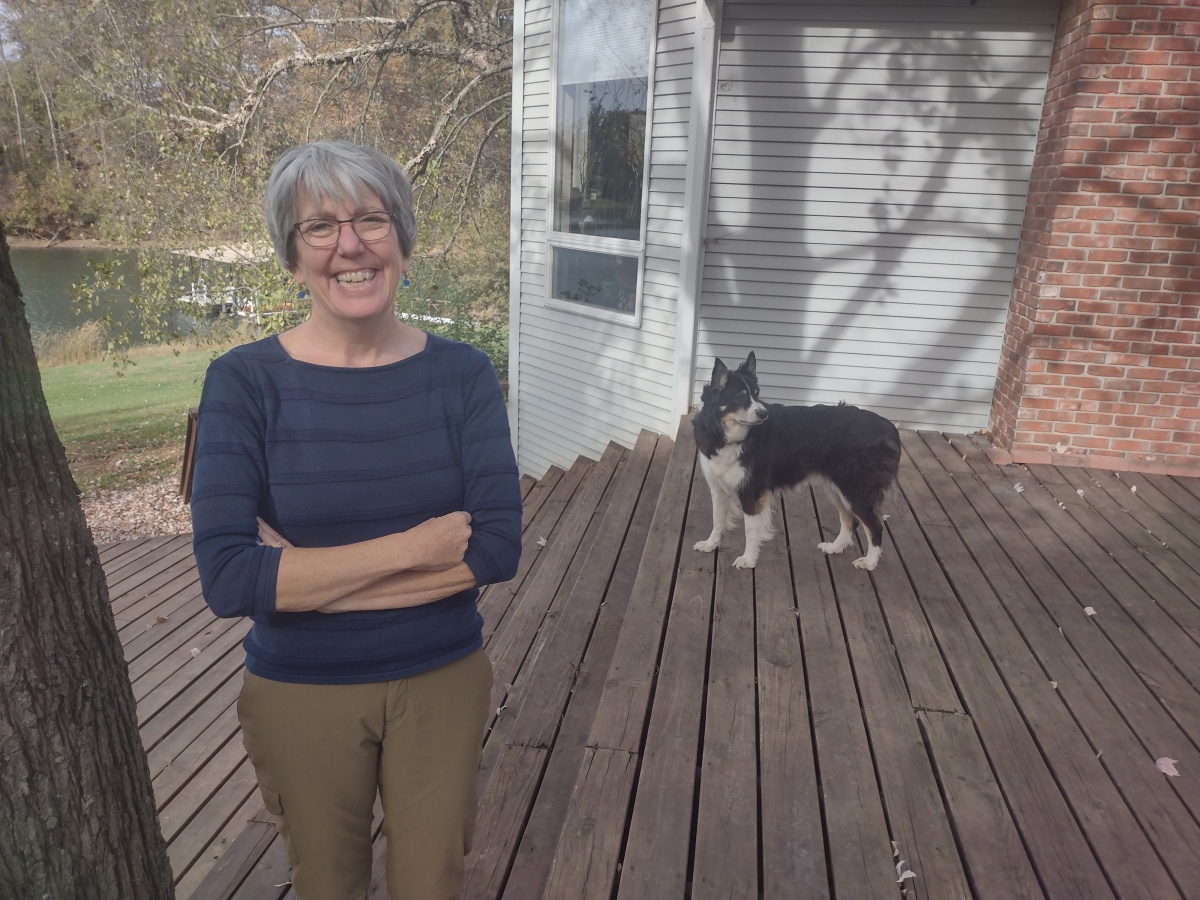
Looking up at the night skies in late fall and winter requires a special devotion. One needs tenacity – plus coat and gloves at the ready – to leave the warmth of inside and go find a dark place outside. It is there that you can best (re)discover the stars and planets that have dotted our skies since before time began.
In this Field Notes segment, astronomy educator Melanie Knocke – pronounced kuh-KNOW-kee – discusses how our winter sky viewing in the United States differs from summer observing. She also shares her simple remedy for preserving the night dark skies that are required for successful stargazing.
For ongoing night sky education, EarthSky news provides “updates on your cosmos and your world.” I find it to be a useful regular e-mail in my inbox.
Thanks to Melanie Knocke for the interview. And until next time, remember, your neighbors are more interesting than you think.
 The Recollection Agency